


How Your Home Environment Affects Your Cleaning Habits


I. Introduction
Our cleaning habits are rarely just about discipline or motivation.
They are deeply influenced by the spaces we live in.
The layout, lighting, colors, and overall atmosphere of a home quietly shape how often—and how willingly—we clean. Understanding the relationship between your home environment and your cleaning habits is the first step toward creating routines that feel natural rather than forced.
II. Psychological Factors of Home Environment


The way a space feels emotionally can either encourage or discourage cleaning.
Space design and motivation
Open, uncluttered spaces reduce mental resistance. When a room feels manageable, cleaning it feels achievable.
Emotional triggers for cleaning
Natural light, visual order, and calm colors often spark an instinct to maintain cleanliness. Chaotic spaces, on the other hand, can lead to avoidance.
Mental associations
When a home is associated with calm and comfort, cleaning becomes part of preserving that feeling—not a punishment or obligation.
III. Physical Layout and Cleaning Efficiency
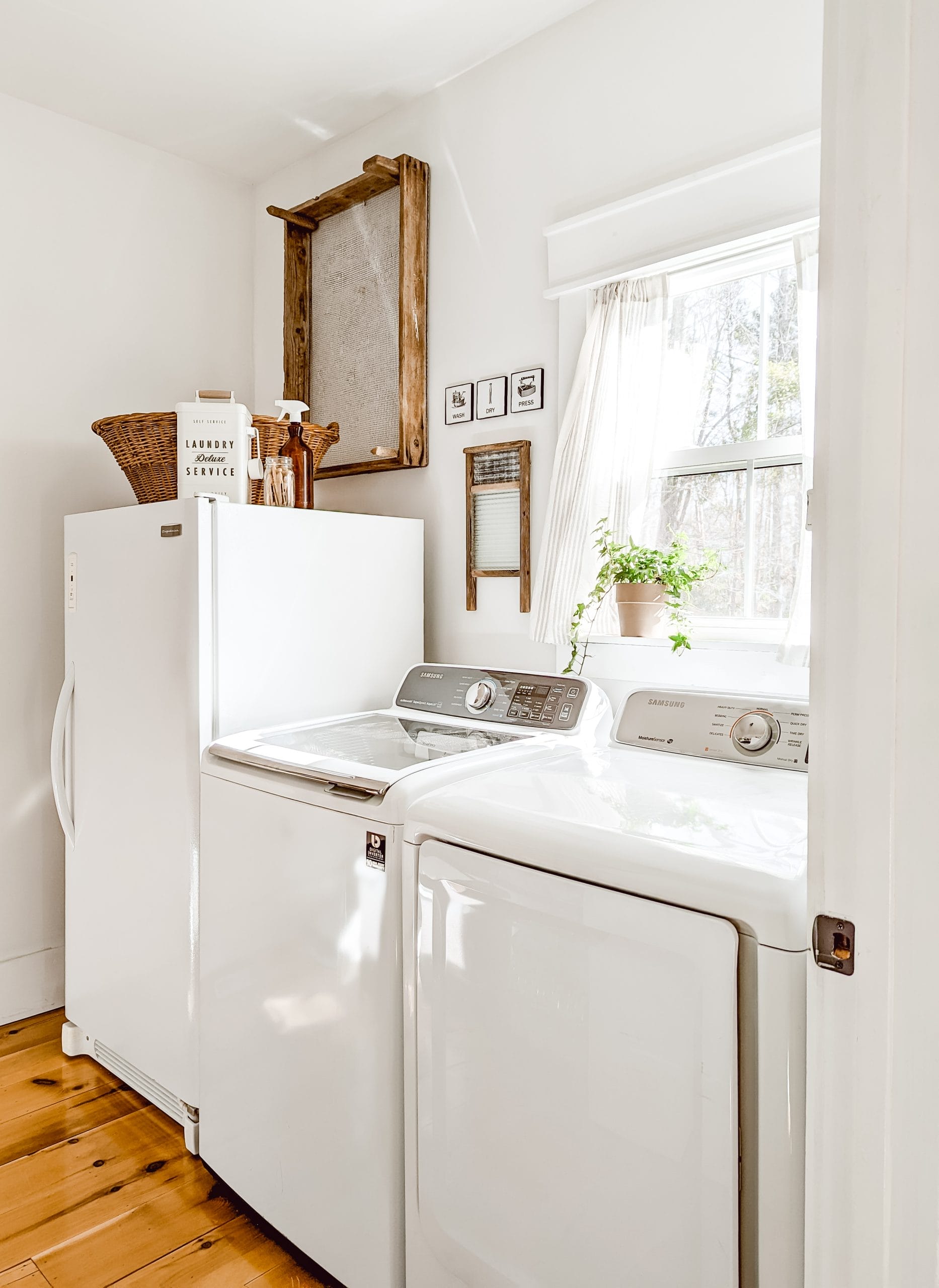


A well-designed layout makes cleaning easier without extra effort.
Room arrangement and routine
Furniture placement and open pathways allow for quick, fluid cleaning movements. Crowded layouts slow routines and create friction.
Intuitive cleaning zones
Placing cleaning tools near where they’re used—bathroom, kitchen, entryway—encourages quick, consistent upkeep.
Removing obstacles
Fewer items on the floor and clear surfaces reduce the time and energy required to clean, making daily maintenance more realistic.
IV. Sensory Influences on Cleaning Behavior
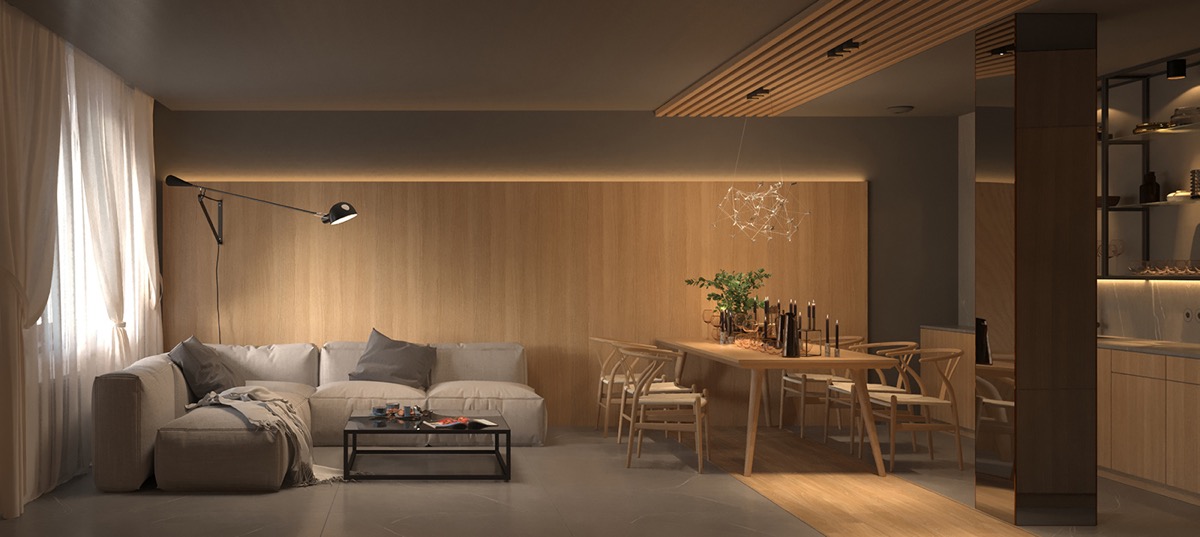


Our senses strongly affect behavior.
Lighting
Bright, natural light reveals details and naturally motivates tidying. Dim or uneven lighting often hides mess and reduces urgency.
Color and decor
Soft, neutral tones create a visual sense of cleanliness and order. Loud colors or busy patterns can overwhelm the senses.
Overall atmosphere
A pleasant home—quiet, balanced, and visually calm—makes cleaning feel like care rather than correction.
V. Practical Strategies for Improving Cleaning Habits
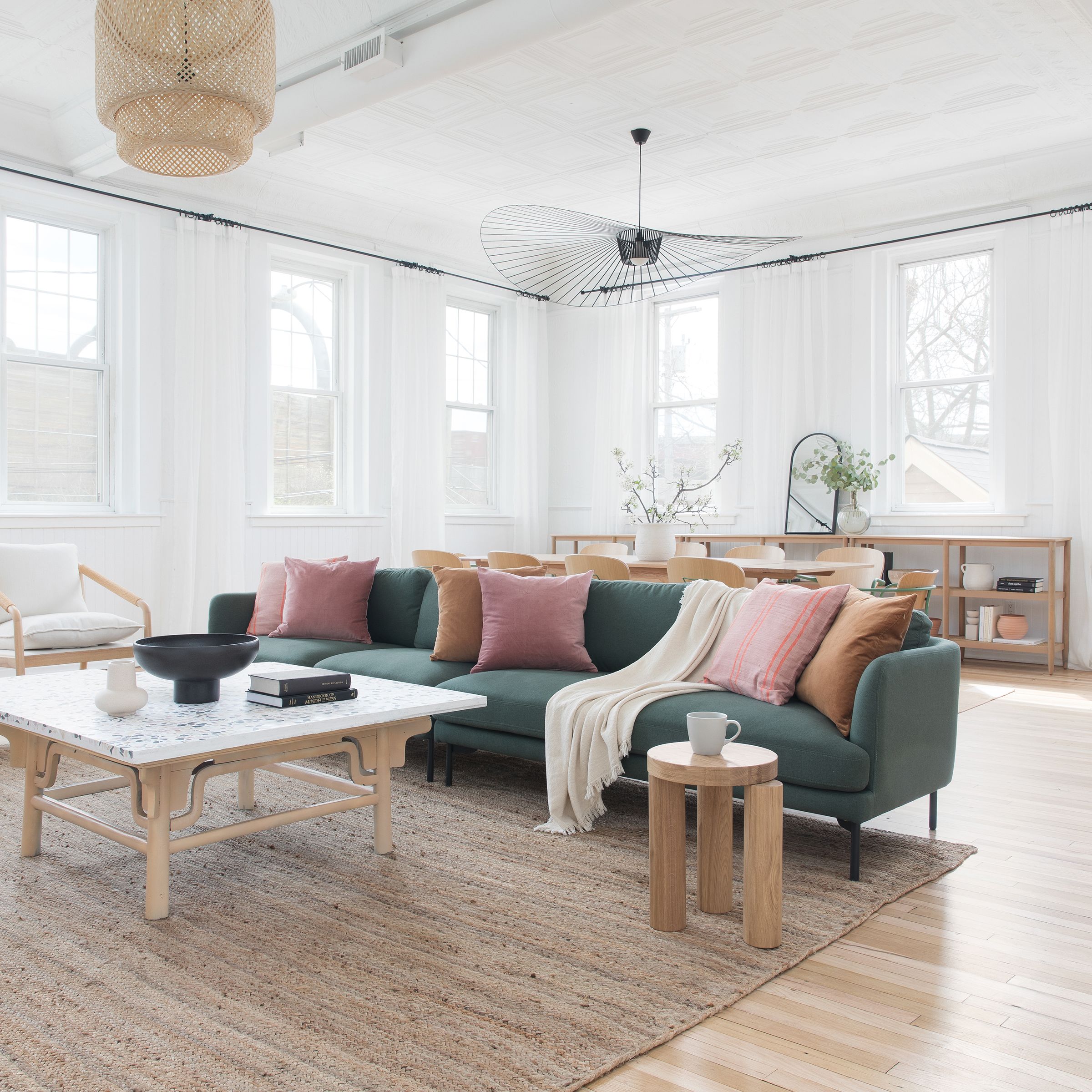


Small environmental changes can lead to big behavioral shifts.
-
Design spaces for easy maintenance, not perfection
-
Reduce visual clutter to lower mental fatigue
-
Keep cleaning tools accessible and visually calm
-
Pair cleaning with positive sensory cues (light, calm colors, quiet moments)
At Mavelle Home, we believe cleaning habits improve when tools and spaces work with you—not against you.
VI. Conclusion
Your home environment is constantly shaping how you clean, even when you’re not aware of it.
By adjusting psychological cues, physical layout, and sensory details, cleaning becomes less about willpower and more about alignment. When your space supports calm and clarity, better cleaning habits naturally follow.
Experiment with your environment.
Small design choices may completely change the way you care for your home.